Rank Tracking: Why Monitoring Your Keywords Is Essential
Rank tracking tells you whether your SEO is working — and where to focus next. Here's why keyword monitoring is essential for small businesses, and how to do it right.

Key Takeaways
- Ranking positions change constantly — Google runs hundreds of algorithm updates per year, and a keyword that ranked #3 last month may have dropped to page two without you noticing
- Rank tracking separates actual SEO progress from vanity metrics; traffic can appear to grow while your important commercial keywords are quietly declining
- Position data has a compounding effect on strategy: knowing exactly which keywords are improving tells you what's working so you can replicate it elsewhere
- Tools vary enormously in how they measure ranks — daily vs. weekly tracking, desktop vs. mobile, national vs. local — and choosing the wrong settings produces misleading data
You've spent months working on your SEO: publishing content, fixing technical issues, building backlinks, and optimising your pages. How do you know if any of it is working?
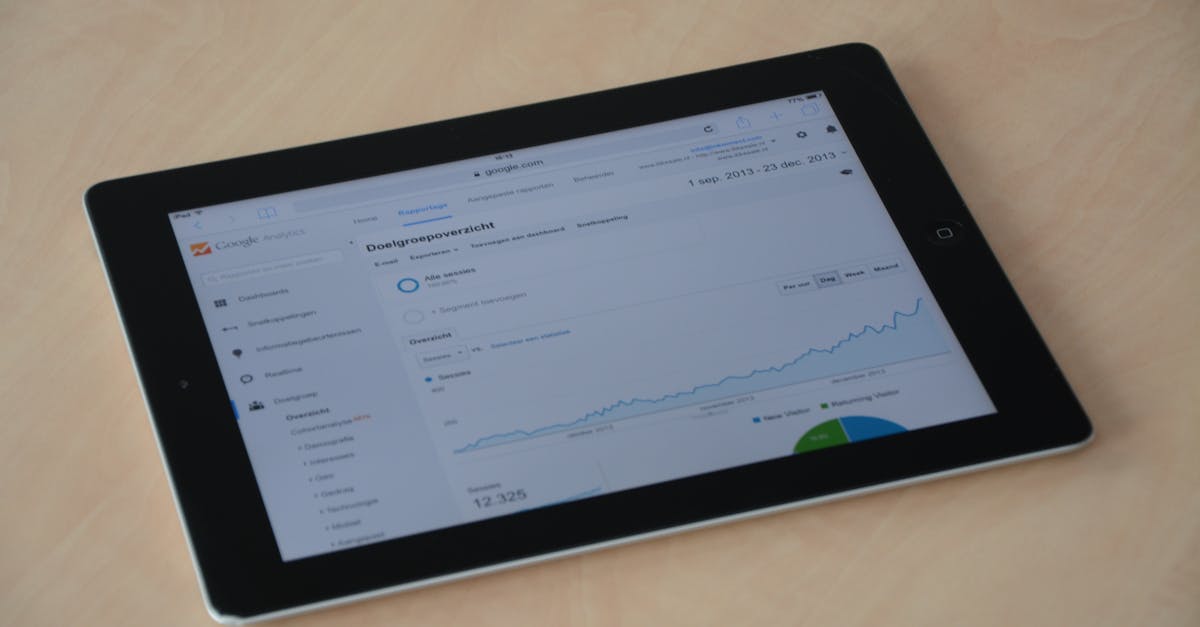
Traffic in Google Analytics tells part of the story, but it's incomplete and delayed. It doesn't tell you which keywords are driving which traffic. It doesn't tell you whether a spike was caused by your SEO work or by a viral social post. And it certainly doesn't tell you which of your target keywords are sitting frustratingly on page two when a single position improvement could unlock a significant traffic increase.
Rank tracking fills that gap. It gives you a direct, ongoing measurement of the outcome your SEO work is trying to achieve: higher positions in search results for the keywords your customers actually use.
This guide explains what rank tracking is, why it matters, what good rank tracking looks like in practice, and how to use position data to make better SEO decisions.
What Is Rank Tracking?
Rank tracking is the process of regularly recording your website's position in search engine results for specific keywords. A rank tracker queries the search engine (Google, Bing, etc.) for each of your target keywords and records where your site appears in the organic results — position 1, position 14, position 47, or not in the top 100.
Done consistently over time, this creates a position history: you can see the trend line for each keyword, identify when positions changed, and correlate changes with the work you did (or didn't do) on your site.
What Rank Tracking Measures
A good rank tracking setup measures:
- Organic position — where your page ranks in the standard (non-paid) search results
- SERP features — whether you appear in featured snippets, People Also Ask boxes, local packs, or other rich result formats
- Device type — desktop and mobile rankings, which can differ significantly (Google serves different results on mobile for many queries)
- Location — rankings vary by geographic location, which is especially important for local search
- Trend over time — week-on-week and month-on-month position changes
Why Position Matters More Than You Think: CTR Data
The difference in traffic between position 1 and position 10 is not linear — it is exponential. Based on aggregated click-through rate data from Advanced Web Ranking:
- Position 1: receives approximately 25–35% of clicks for a given keyword
- Position 2–3: receives 8–15% of clicks
- Position 4–6: receives 3–8% of clicks
- Position 7–10: receives 1–3% of clicks
- Position 11+ (page two): receives less than 1% of clicks for most queries
This means a keyword moving from position 8 to position 3 can increase the traffic it generates by 300–500%. Without rank tracking, you wouldn't know that movement happened, and you wouldn't know which changes to your site caused it.
Why Rank Tracking Is Non-Negotiable for Small Businesses
It Tells You Whether SEO Is Working
Without rank tracking, you're navigating blind. You might be investing time and money in SEO activities that aren't moving rankings. You might have made a technical change that inadvertently hurt your rankings and not noticed for months. Rank tracking is the accountability layer that keeps your SEO strategy honest.
A position improvement from 18 to 7 for a target keyword is a meaningful milestone — it represents moving from a page-two obscurity to the visible top of page one, with a corresponding traffic and click-through rate increase. Without tracking, you might make that improvement without even realising it, and without understanding what caused it.
Algorithm Updates Happen Constantly
Google confirmed running over 4,500 changes to search in 2020 alone, and the pace has only increased since. Most of these updates are minor, but major core algorithm updates — the August 2023 Core Update, the March 2024 Core Update, the November 2024 Core Update — can shift rankings dramatically for entire categories of content.
Without rank tracking, you learn about algorithm impact through traffic drops — which lag behind position changes by days or weeks (depending on your traffic volume and reporting frequency). With rank tracking, you see the position change as it happens and can diagnose whether it's algorithm-related, a competitor action, or something you changed on your own site.
Competitor Context Changes Everything
Your rankings don't exist in isolation. If you rank #4 for a target keyword and a competitor jumps from #7 to #2, your absolute position hasn't changed but your relative competitive position has worsened significantly. Rank tracking tools that monitor competitor positions alongside yours make this visible in real time rather than as a vague sense that traffic has softened.
For a deeper understanding of how to use this competitive data, our Google Business Profile optimisation guide explains local pack rankings specifically, and our backlink building guide shows how link activity correlates with ranking movements over time.
Position Data Is More Actionable Than Traffic Data
Traffic data tells you outcomes. Rank data tells you causes. If traffic to your service pages drops 20%, traffic data shows you the problem but not the solution. Rank data shows you that your main service page dropped from position 3 to position 11 for its primary keyword — and that's actionable. You can investigate what changed (a competitor published a better page, your page speed regressed, you lost a backlink), address the cause, and track the recovery.
In our experience, the small businesses that make the fastest SEO progress are those that check their rank data weekly and treat position drops as immediate investigation triggers rather than passive observations.
Setting Up Rank Tracking Correctly
The configuration decisions you make when setting up rank tracking significantly affect the quality of data you get. Here are the key settings to get right:
Keyword Selection
Track the keywords that matter to your business — the ones your customers actually search when they're ready to buy. This includes:
- Primary commercial terms — "[your service] [your location]," "[your product category] UK"
- Long-tail variants — more specific queries with lower search volume but higher conversion intent
- Branded terms — your business name, to monitor whether branded searches are stable
- Competitor terms — queries where you want to displace specific competitors
Avoid the trap of tracking hundreds of keywords you don't actually care about. A focused list of 30–50 meaningful keywords, tracked consistently, is more useful than 500 keywords tracked with inconsistent location settings.
For guidance on identifying the right keywords to track, our keyword research for small business guide covers search intent classification and how to build a keyword list aligned to your business goals.
Location Settings
Rankings vary significantly by location. A "plumber London" search from Hackney shows different results than the same search from Richmond. For local businesses, you need to track rankings from the specific locations your customers are searching from — your town, borough, or postcode area.
National average rankings are largely meaningless for local businesses. Always configure location at postcode or city level for local keyword tracking.
Device Type
Google's mobile-first indexing means the mobile search index is primary — your site's mobile performance affects how it ranks for all users. Track both desktop and mobile rankings for important keywords, especially if your site has any mobile usability issues. Discrepancies between desktop and mobile rankings can flag mobile-specific problems worth investigating.
Tracking Frequency
Weekly rank tracking is the right cadence for most small businesses. Rankings bounce around day-to-day for reasons that have nothing to do with your SEO, so a daily readout mostly shows noise you cannot act on. A weekly check still catches the movement that matters, a sustained climb or a genuine decline, without tempting you to react to every wobble. Daily tracking is overkill for the keyword counts most small businesses care about, and the cost rarely earns its keep.
Interpreting Rank Tracking Data
Collecting position data is the easy part. Interpreting it correctly is where the real value comes from.
Normal Fluctuation vs. Meaningful Change
Google's rankings fluctuate within a range for most keywords on most days. A keyword that sits at position 5 might bounce between 4 and 7 without any particular cause — this is normal. What you're looking for is sustained directional movement: a keyword that was consistently 5–7 and is now consistently 9–12, or one that was at 15 and has moved steadily to 8 over four weeks.
Apply a 7-day moving average to smooth out daily noise, and focus on trends of 2 weeks or longer when making strategic decisions.
Correlating Changes With Your Actions
Maintain a simple log of significant SEO actions alongside your rank tracking: "Published new guide on [topic] — 12 March," "Upgraded mobile page speed — 18 March," "Earned link from [site] — 22 March." When a keyword moves, you can look back at what changed in the preceding 2–4 weeks and identify likely causes.
This causal understanding is enormously valuable. If updating a specific type of content consistently improves rankings, you can systematically apply the same approach to other pages. If a technical change correlates with a position drop, you can roll it back and monitor recovery.
Identifying Pages Stuck on Page Two
A common pattern in rank tracking data is keywords clustered in positions 11–20 — on page two, just out of reach of meaningful traffic. These are some of your highest-priority optimisation opportunities. The page is already indexed and considered relevant enough to rank; it needs an incremental quality improvement to break onto page one.
For keywords stuck in this range, investigate: Is the content comprehensive enough compared to page-one results? Does the page have enough backlinks relative to the competition? Is there a technical issue (slow load time, poor mobile experience) holding it back?
What to Do With Ranking Insights
Rank tracking data should drive a regular cycle of review and action:
Weekly: Check for significant drops (5+ positions) on your most important commercial keywords. Investigate any drops immediately — same-day response to ranking changes, where you can identify a cause, significantly reduces recovery time.
Monthly: Review overall trend data. Which keywords improved? Which declined? Which are stuck? Prioritise content and optimisation work based on which keywords are closest to significant position thresholds (moving from 11 to page one, or from position 4 to the top 3).
Quarterly: Full strategic review. Has your keyword mix evolved? Are there new search terms emerging in your market that you should be tracking? Have competitors entered new keyword areas you should respond to?
Rank Tracking Tools: What to Look For
Rank tracking tools range from free and basic to expensive and comprehensive. For small businesses, the key criteria are:
- Accurate, consistent data — the tool should query Google consistently, not just sample results or pull from cached data
- Regular tracking — a consistent weekly cadence is enough to manage SEO responsively without chasing daily noise
- Local tracking — postcode or city-level accuracy, not national averages
- Mobile and desktop — both, not just desktop
- Competitor tracking — ability to monitor competitor positions alongside yours for the same keywords
- Reasonable price — enterprise-level pricing (£300+/month) is unjustifiable for a small business tracking 50 keywords
Our affordable SEO tools guide compares the main options at different price points. RnkRocket tracks your keyword rankings weekly at a local level from £9.95/month, alongside competitor positions, site health monitoring, and content intelligence — covering the full picture rather than just rank data in isolation.
The Connection Between Rank Tracking and Other SEO Work
Rank tracking doesn't exist in isolation. It's the measurement layer that ties together all the other work you do:
- On-page optimisation → rank tracking shows whether title tag and content updates improved positions
- Content creation → rank tracking shows whether new pages are indexing and ranking for target keywords
- Link building → rank tracking correlates new backlinks with position improvements over time
- Technical SEO → rank tracking detects if technical changes caused position drops that need reversal
Without rank tracking, these activities operate in a feedback vacuum. You're making changes without knowing whether they worked. With it, every action has a measurable outcome, and your SEO strategy continuously improves based on what the data tells you.
FAQ: Rank Tracking
Why do my rankings look different when I search Google myself compared to my rank tracking tool?
Google personalises search results based on your location, browsing history, device, and signed-in account. When you search for your own business, you're likely to see your site ranked higher than it appears to an anonymous searcher — because Google knows you've visited your site before. Rank tracking tools query Google from neutral, non-personalised environments, giving you a more accurate picture of how the average searcher in your target location sees your rankings.
Should I track rankings daily or weekly?
Weekly is the sweet spot for most small businesses. Algorithm updates and competitive moves do play out over days, but individual daily readings are dominated by normal fluctuation that you cannot act on. A weekly check gives you a clean enough signal to spot sustained climbs and genuine declines while filtering out the noise that makes daily numbers stressful and misleading. The exception is the week or two after a major algorithm update, when checking more often makes sense until the dust settles.
How many keywords should I track?
Start with your 20–30 most commercially important keywords and expand from there. Tracking too many keywords from the start creates noise that makes it harder to spot meaningful signals. A focused core list, expanded gradually as you understand which terms matter most to your business, is more effective than a comprehensive list tracked superficially.
How does rank tracking work for businesses with multiple locations?
For businesses operating across several towns, cities, or regions — such as a chain of independent shops or a trades business with multiple service areas — rank tracking needs to be configured per location. That means tracking the same commercial keyword ("boiler service") from different geographic locations (Leeds postcode, Sheffield postcode, York postcode) as separate tracked terms. The rankings will often differ significantly between locations, and a strategy that improves rankings in one area won't automatically transfer to another. Per-location tracking makes visible which areas need priority attention and shows the impact of location-specific content or GBP improvements independently of your overall domain authority.
Rank tracking is the feedback mechanism that turns SEO activity into SEO strategy. Without it, you are making changes to your website in the hope that they improve results, with no way to confirm whether they did, when they took effect, or which specific actions were responsible. With weekly rank tracking configured at the right location and device settings, every page update, content publication, or link earned becomes a testable hypothesis with a measurable outcome. Over time, this creates an evidence base about what works specifically for your site in your market — which is more valuable than any generic SEO advice, including this guide. The businesses that compound their SEO results fastest are those that iterate based on data: they know what moved their rankings last quarter, and they do more of it.
Related Reading
- Keyword Research for Small Businesses: A Practical Guide
- Technical SEO Explained: What Small Businesses Need to Know
- Google Business Profile: Complete Optimisation Guide
- Link Building for Small Businesses: 10 Strategies That Work
- Affordable SEO Tools: The Best Options for Small Businesses
- What Is SEO? A Beginner's Guide for Small Business Owners
Track Your Keywords With RnkRocket
RnkRocket monitors your keyword rankings weekly, at a local level, across desktop and mobile — from £9.95/month. See exactly where you rank, watch positions improve over time, and get alerted when anything significant changes so you can act immediately rather than discover problems weeks later.