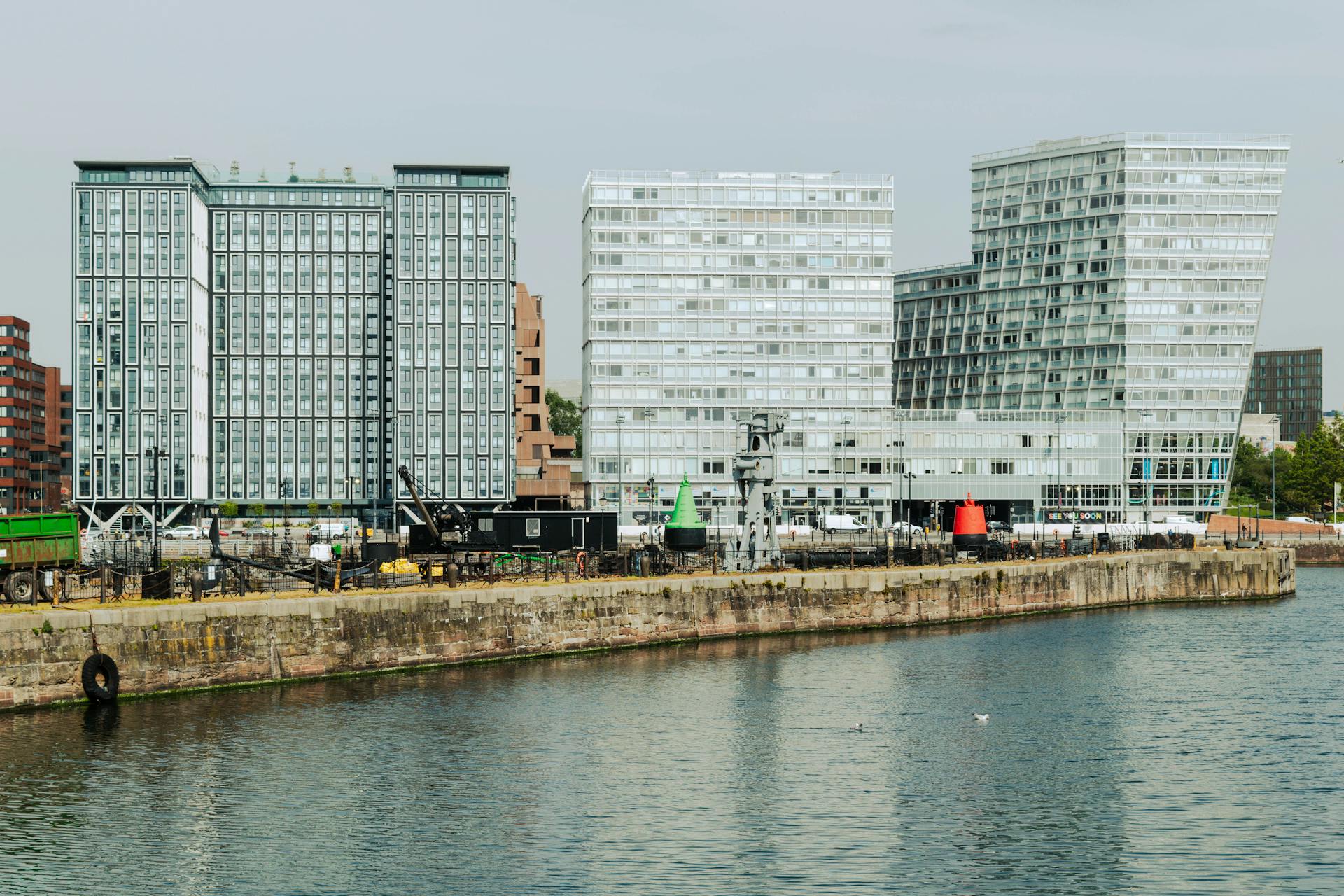
Liverpool's economy has shifted dramatically over the past two decades. The city that built its wealth on docks and manufacturing now generates significant revenue from tourism, creative industries, and a fast-expanding digital sector. The Baltic Triangle — once derelict warehouses south of the city centre — has become one of the UK's most concentrated clusters of tech startups, design studios, and independent food businesses. This regeneration means more businesses are competing for the same pool of local customers, and the ones that appear first in Google's local results capture a disproportionate share of footfall and enquiries. A local SEO strategy tailored to Liverpool's specific geography and search patterns is no longer optional for businesses that depend on local trade.
The Liverpool postcode system runs from L1 in the city centre out to L39 in Ormskirk, covering a wide spread of commercial districts with very different customer bases. A restaurant on Bold Street (L1) operates in an entirely different competitive environment from a tradesperson in Woolton (L25) or a salon in Crosby (L23). Google localises results heavily within these postcode boundaries, which means a business ranking well in L1 may be invisible to searchers in L17. Building location-specific content for each area you serve is essential to expanding your visible footprint across Merseyside.
Liverpool attracts roughly 67 million visitor trips per year across the wider city region, and a large proportion of those visitors search for restaurants, attractions, and services on their phones while exploring. Beatles tourism alone draws hundreds of thousands of visitors annually to Mathew Street, the Cavern Club, and the surrounding area. For hospitality and tourism businesses, appearing in the Google Local Pack — the map-and-three-listings block at the top of search results — is worth more than any paid advertising. Businesses in the top three local positions receive substantially more clicks than those ranked just below.
The city's two football clubs bring tens of thousands of visitors to Anfield and Goodison Park on match days, creating predictable surges in local search activity for restaurants, pubs, hotels, and transport services. Seasonal events like the Liverpool International Music Festival, the Grand National at Aintree, and the Christmas markets at St George's Hall each generate their own waves of keyword demand. Businesses that plan content around these events — publishing relevant pages weeks before they occur — capture search traffic that competitors who react too late will miss entirely.
Liverpool's professional services sector is substantial but often overlooked in SEO discussions. Accountants, solicitors, financial advisers, and recruitment firms cluster around the Commercial District and Exchange Flags, competing for high-value keywords that carry strong purchase intent. A search for 'solicitor Liverpool city centre' or 'accountant L2' represents a potential client worth hundreds or thousands of pounds. Yet many professional services firms in Liverpool still rely on word-of-mouth referrals and neglect their online presence. The firms that invest in SEO consistently outperform those that do not, building a compounding advantage month after month.
Liverpool SEO agencies typically charge between £800 and £3,000 per month — more affordable than London but still a significant outlay for independent businesses and sole traders. RnkRocket provides the same core capabilities — weekly rank tracking across Liverpool postcodes, AI-powered site auditing, keyword research, and competitor analysis — for £9.95 per month. You get the tools and the data; you apply the recommendations at your own pace, without a long-term contract or agency overhead.