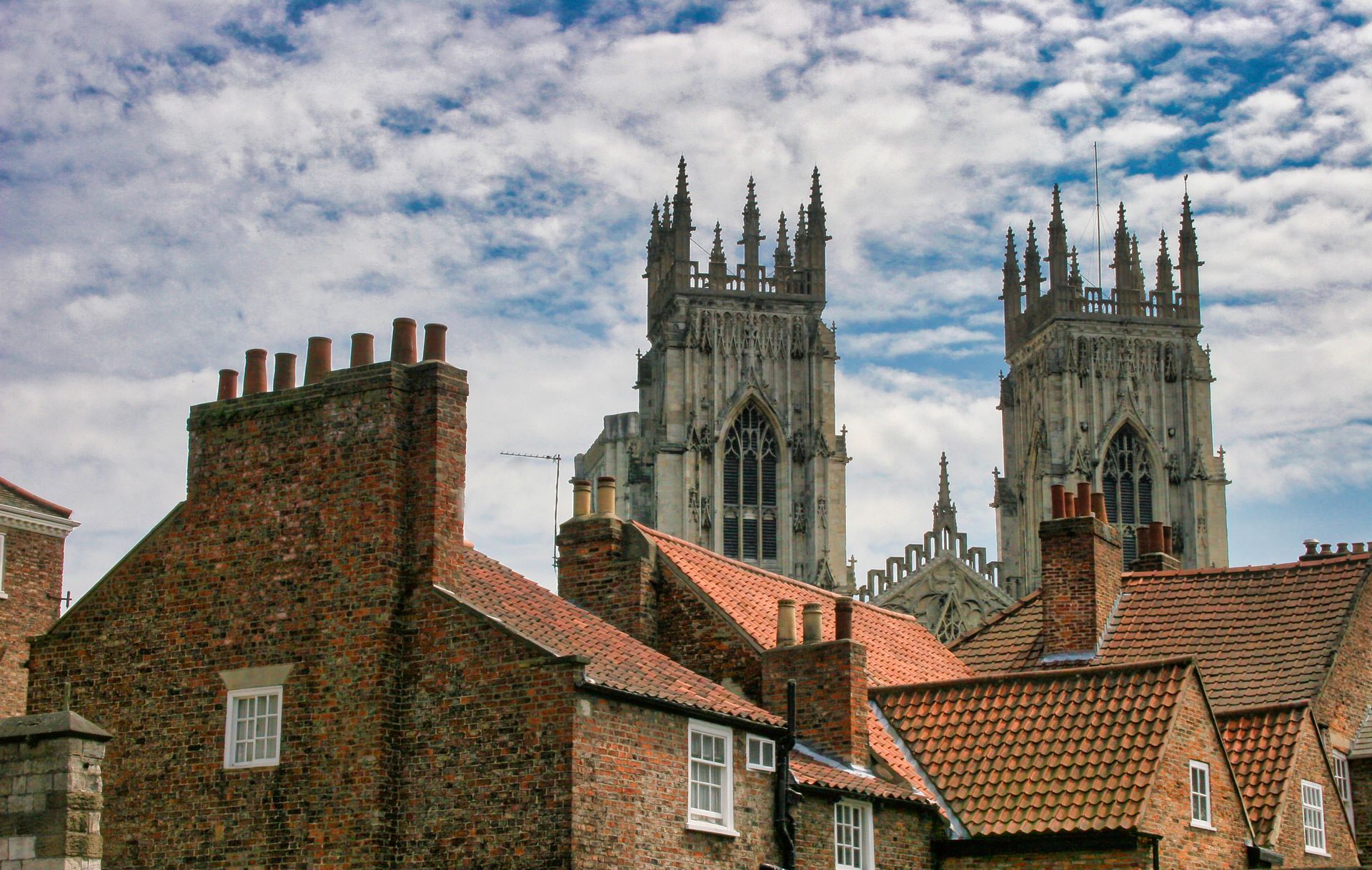
York operates as two overlapping economies that share the same search landscape. The first is tourism. Over 8 million visitors pass through the city each year, searching for restaurants, hotels, guided tours, museums, and independent shops on their phones as they walk the Shambles or circle the city walls. Tourism contributes roughly £765 million to the local economy annually. The second is the resident and commuter economy — professional services, trades, healthcare, education, and financial services. A local SEO strategy must account for both audiences, because a restaurant owner on Stonegate needs tourist footfall and regular local trade, and the keyword strategy for each is different.
York's position as Network Rail's headquarters and its growing fintech presence add a professional services dimension to the local economy. Companies like Hiscox and Aviva have operations in or near the city. The University of York and York St John University contribute more than 20,000 students who search, review, and buy locally. This combination of tourism, professional employment, and student spending creates a richer and more complex search market than many cities of York's size. If your competitors are running structured keyword research and building content for each of these audiences, you need to do the same to remain visible.
The Local Pack — Google's map-and-three-listings block — captures the majority of local search clicks in York. Over 80% of local queries end without a visit to any website. Your Google Business Profile is the most important digital asset for reaching both visitors and residents. Review count, response time, category accuracy, and photo quality all feed directly into where your listing appears. For tourism-facing businesses, reviews in multiple languages and photos that show the customer experience carry additional weight. An excellent website paired with a sparse GBP is invisible to most searchers.
York's postcode areas create distinct search zones. YO1 covers the walled city centre and the area around York Minster. YO10 covers Fulford and Heslington, including the University of York campus. YO23 covers Acomb and Dringhouses. YO24 covers Holgate and the rail corridor. YO31 covers Clifton and Huntington. A plumber in Acomb competes with different businesses than one inside the walls. A restaurant on the Shambles operates in a different search environment than one in Bishopthorpe. Google localises results to the searcher's location, so visibility must be earned district by district.
York SEO agencies and freelancers typically charge between £500 and £1,800 per month. For a small shop owner on Gillygate, a tradesperson in Acomb, or a B&B near the Minster, that is a significant ongoing commitment. RnkRocket provides the same core tools — weekly rank tracking across your postcodes, an AI-powered site audit, content recommendations, and competitor analysis — for £9.95 per month. No contracts, no agency overhead, and the same intelligence that professionals use.
York's chocolate heritage — the former Terry's and Rowntree's factories — has given way to a modern food and drink scene that ranks among the strongest in northern England. The city has more restaurants, cafes, and pubs per head than almost any comparably sized UK city. That density means hospitality businesses face especially stiff competition in local search results. Standing out requires a combination of strong reviews, area-specific content, and a fully optimised Google Business Profile — not just a good menu.